
Hot Weather Best Practices for Tesla Owners: Protect Battery Life & Maximize Summer Range
Tesla vehicles are engineered to perform in a wide range of climates, from freezing winters to scorching summer temperatures. However, extreme heat can affect battery efficiency, charging performance, cabin comfort, tire pressure, and overall driving range.
Whether you own a Tesla Model 3, Model Y, Model S, Model X, or Cybertruck, understanding how to properly manage your vehicle during hot weather can help protect your investment and improve your ownership experience.
In this guide, we'll explore the most effective hot-weather practices every Tesla owner should follow to maintain battery health, maximize range, and keep both drivers and passengers comfortable during the hottest months of the year.
Why Hot Weather Matters for Electric Vehicles
Unlike gasoline vehicles, electric vehicles rely entirely on battery performance. While Tesla's sophisticated thermal management system is among the best in the industry, high temperatures still place additional demands on the vehicle.
Common summer challenges include:
- Increased battery cooling activity
- Reduced driving efficiency due to air conditioning usage
- Higher cabin temperatures when parked
- Faster tire pressure fluctuations
- Longer battery cooling cycles after charging
- Potential wear on interior materials exposed to sunlight
Fortunately, Tesla has built several intelligent features specifically designed to address these challenges.
1. Use Cabin Preconditioning Before Driving
One of the easiest ways to improve summer comfort is to precondition your Tesla before entering the vehicle.
Using the Tesla mobile app, you can cool the cabin before your trip begins.
Benefits include:
Improved Comfort
Nobody enjoys entering a vehicle that has been sitting under direct sunlight for hours. Preconditioning lowers cabin temperatures before you even open the door.
Reduced Initial Battery Consumption
Instead of running the air conditioning system at maximum power immediately after driving away, preconditioning allows the vehicle to reach a comfortable temperature while still connected to a charger.
Better Passenger Experience
This is especially useful for families traveling with children or pets.
A cool cabin can make a significant difference during summer road trips.
2. Plug In Whenever Possible
Tesla's "Always Be Charging" philosophy becomes even more important during hot weather.
When plugged in:
- The vehicle can power climate systems directly from the charger.
- Battery cooling consumes less stored energy.
- Preconditioning has minimal impact on driving range.
Even if you don't need a full charge, keeping the vehicle connected during periods of extreme heat can help optimize battery temperature management.
3. Avoid Excessive Charging to 100%
Many Tesla owners mistakenly believe that charging to 100% every day provides the best experience.
In reality, for daily driving:
- Set charge limits around 80%.
- Only charge to 100% when preparing for long-distance travel.
- Avoid leaving the battery at 100% for extended periods.
This practice helps reduce long-term battery stress, especially during hot weather when battery temperatures may already be elevated.
4. Utilize Cabin Overheat Protection
Cabin Overheat Protection is one of Tesla's most useful summer features.
When enabled, the vehicle monitors interior temperatures after parking.
If cabin temperatures exceed preset thresholds, the system automatically activates ventilation or air conditioning to reduce heat buildup.
Benefits include:
- Protection for interior materials
- Increased comfort upon return
- Reduced dashboard and upholstery exposure to extreme temperatures
Although the feature uses some battery power, many owners consider it worthwhile during particularly hot days.
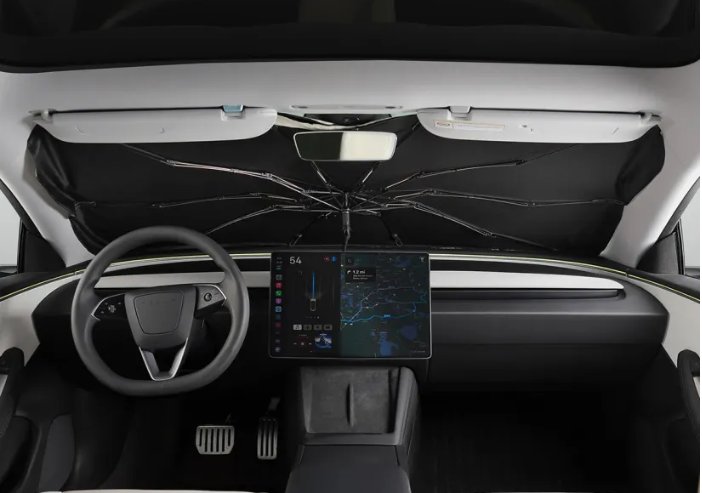
5. Use Sunshades and Window Protection
Direct sunlight can dramatically increase cabin temperatures.
A quality windshield sunshade can help:
- Reduce dashboard temperatures
- Lower steering wheel heat
- Minimize interior fading
- Improve cooling efficiency
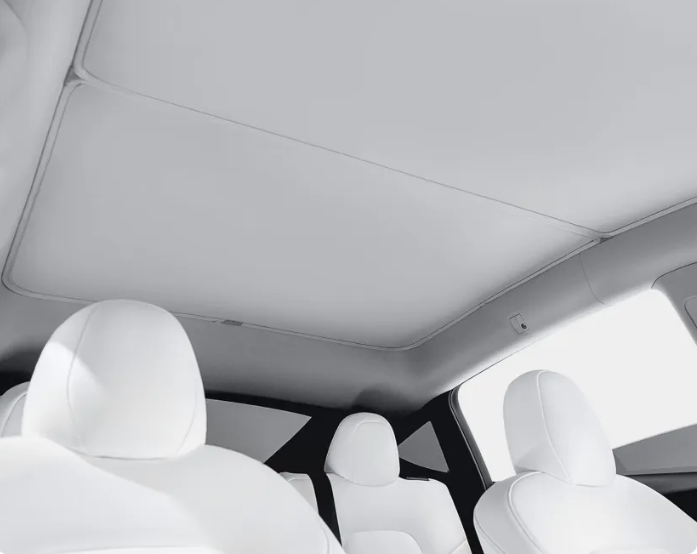
Cybertruck owners may also benefit from dedicated glass roof shades during peak summer months.
Reducing solar heat gain allows the climate system to work more efficiently and improves passenger comfort.
6. Park in the Shade Whenever Possible
It may seem obvious, but parking location can significantly affect cabin temperatures.
When available, choose:
- Covered parking structures
- Underground garages
- Tree-shaded parking spaces
- Solar-covered charging stations
Even partial shade can reduce cabin temperatures substantially compared to direct sunlight exposure.
The result is:
- Less cooling demand
- Better battery efficiency
- Improved cabin comfort
7. Monitor Tire Pressure Frequently
Summer heat causes air inside tires to expand.
As temperatures rise, tire pressure can increase beyond recommended levels.
Why this matters:
Ride Comfort
Overinflated tires often produce a harsher ride.
Tire Wear
Incorrect pressure may lead to uneven wear patterns.
Efficiency
Proper tire pressure helps maximize driving range.
Tesla owners should regularly check tire pressures through the vehicle display and adjust them according to Tesla's recommendations.
8. Understand Summer Range Changes
Many new Tesla owners expect maximum range during warm weather.
However, range can still be affected by several summer-specific factors.
Air Conditioning Usage
Heavy air conditioning use consumes additional energy.
High-Speed Driving
Summer road trips often involve sustained highway speeds, which significantly impact efficiency.
Battery Cooling
In extremely hot climates, the vehicle may dedicate energy toward battery cooling.
The good news is that Tesla vehicles generally perform more efficiently in warm temperatures than in extremely cold conditions.
9. Use Scheduled Departure
Scheduled Departure is a powerful but often overlooked feature.
This setting allows your Tesla to:
- Complete charging before departure
- Condition the battery
- Pre-cool the cabin
- Improve efficiency at the start of your trip
When connected to home charging, Scheduled Departure can help reduce energy consumption during your drive.
For daily commuters, this is one of the most valuable automation features available.
10. Plan Summer Road Trips Strategically
Long-distance travel during hot weather requires additional planning.
Fortunately, Tesla's navigation system simplifies much of the process.
Before departure:
- Verify tire pressure
- Inspect windshield washer fluid levels
- Confirm charging stops
- Precondition the cabin
- Charge appropriately for your route
Tesla's trip planner automatically considers temperature, terrain, and charging availability when calculating routes.
Always use the built-in navigation system when traveling long distances.
Keeping Your Tesla Interior Looking New
Summer heat doesn't only affect battery performance.
Interior surfaces can also experience long-term exposure to:
- UV radiation
- Heat cycling
- Dust accumulation
Protecting interior components helps maintain resale value and overall appearance.
For Cybertruck owners, interior protection accessories can be particularly beneficial because the vehicle often serves as both a daily driver and utility vehicle.
Summer Tesla Maintenance Checklist
Follow this simple checklist throughout the summer season:
Weekly
✓ Check tire pressure
✓ Clean cameras and sensors
✓ Monitor charging habits
✓ Remove debris from air intakes
Monthly
✓ Inspect windshield wipers
✓ Check washer fluid
✓ Review battery charging patterns
✓ Clean interior surfaces
Before Road Trips
✓ Precondition cabin
✓ Verify charging route
✓ Charge appropriately
✓ Pack emergency essentials
Final Thoughts
Tesla vehicles are exceptionally well-equipped to handle hot climates thanks to their advanced thermal management systems and intelligent software features. However, a few simple habits can significantly improve comfort, efficiency, and long-term battery health.
To summarize, Tesla owners should:
- Precondition the cabin before driving
- Keep the vehicle plugged in whenever possible
- Limit daily charging to 80%
- Enable Cabin Overheat Protection
- Use sunshades and shaded parking
- Monitor tire pressure regularly
- Utilize Scheduled Departure
- Plan road trips using Tesla Navigation
By following these hot-weather best practices, you'll help maximize range, preserve battery health, protect your vehicle's interior, and enjoy a more comfortable driving experience throughout the summer.
Whether you're commuting daily, heading to the beach, or embarking on a cross-country road trip in your Tesla or Cybertruck, these strategies will help you stay cool, efficient, and road-ready all season long.